
December 6
Last update: November 29th
7 am to 8 am
Welcome and registration
8 am to 8:45 am
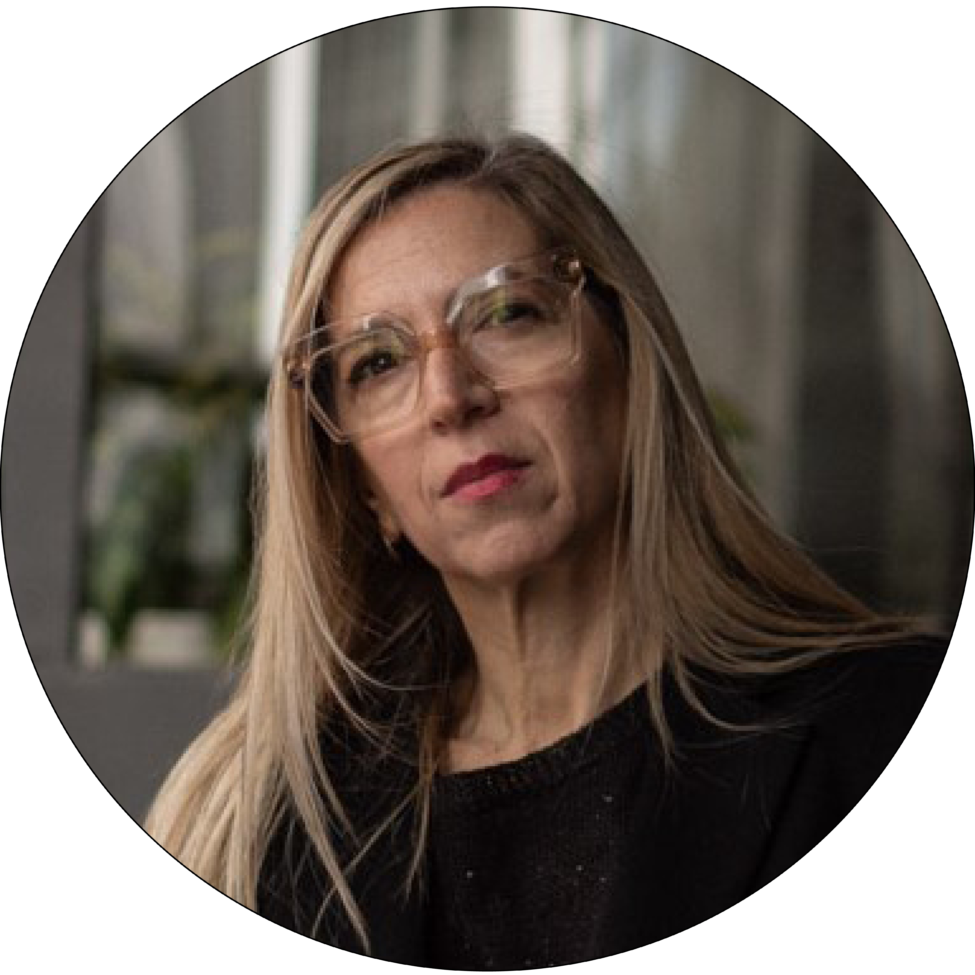
Room 511 - Plenary Session: Online Violence Against Women Journalists, Public Women, and Human Rights Defenders
This issue is a structural and global problem. Women journalists face a distinct type of online aggression compared to their male counterparts, which directly impacts their reputation and has consequences in all areas of their lives. I propose to share an analysis and some recommendations for civil society organizations, businesses, and governments.
Ingrid Beck, journalist, writer and activist, Foundation Huésped, Argentina
8:45 am to 10:15 am - Parallel Sessions
Room 511 - Workshop - Medico Legal Documenting Conflict-Related Sexual Violence (CRSV)
The training will explain data collection methods and tools on CRSV, in line with key international standards and best practices, namely of Do No Harm, informed consent, gender sensitivity, and a victim/survivor-centred approach, among others. It further includes guidance on how to conduct safe, ethical, and effective interviews in line with international best practices such as the Murad Code.
The training will include:
- The fundamentals of CRSV, including the definition of CRSV and its manifestations, the relevant international legal framework
- The data collection methods and tools on CRSV
Ewelina Ochab, Senior Programme Lawyer, International Bar Association's Human Rights Institute, Co-founder of the Coalition for Genocide Response, United Kingdom
Room 510a - Holistic care for survivors of sexual violence: experiences from the medical pillar
Presentations
- Prise en charge des survivant(e)s aux violences sexuelles: Regard croisé sur l'expériences de Bukavu et de Bruxelles
Olivier Vandenberg, Université libre de Bruxelles, Belgium - Accès aux soins et profils de déplacées interne victimes de violences sexuelles soignés à la clinique Panzi de Kinshasa : cas spécifique conflit armés Teke-Yaka à l’Ouest de la République démocratique du Congo
Eddy Mugisho Maroyi, Panzi Foundation, Democratic Republic of the Congo/li> - Sévérité des lésions traumatiques post agression sexuelle chez les mineures dans le contexte à conflit en République démocratique du Congo : Cut-off d'age et co-occurence lesionnel
Kenny Raha Maroyi, Panzi Hospital, Democratic Republic of the Congo - Traumatisme périnéal post violence sexuelle chez un enfant de 4 ans : Prise en charge holistique
Gloire Byabene Kaduku, Panzi Foundation, Democratic Republic of the Congo
Co-authors: Denis Mukwege, Destin Bandeke, Josué Mungwete, Kadhi Kambamba Rhoda
Room 510b - Survivors' mental health: care and resilience
Presentations
- Résilience sociale face aux violences sexuelles à l'Est de la République démocratique du Congo : contribution des survivant(e)s au développement durable de la communauté
Nathalie Bavurhe, Université Evangélique en Afrique, Democratic Republic of the Congo - La place du corps dans l'expression psycho traumatique et dans la prise en charge des femmes victimes d'abus sexuels
Jennifer Foucart, Université Libre de Bruxelles, Belgium - Exploration féministe de l’espace urbain, regard critique sur la sécurité et le sentiment d’appartenance des femmes à Montréal
Raquel Fernandez, Université de Montréal, Canada - Santé des femmes et empowerment : Récit d’une survivante de mutilation génitale et féminine/fibrome utérin au delà des frontières
Aïssatou Sidibé, Fibromelle, Canada
Room 510c - Symposium: Promoting Equality and Preventing Sexual Violence Among Youth
Adolescents and young adults, especially girls, are most at risk of sexual assault, in addition to other forms of intimate violence. As experiences of intimate and sexual violence are likely to permeate first relationships, cause significant after-effects and lead to revictimization, it seems essential to develop prevention initiatives aimed at teenagers and young adults. Four best-practice initiatives aimed at preventing intimate and sexual violence among young people will be presented:
- The Étincelles program, aimed at preventing intimate violence and promoting positive relationships among teenagers;
- A version of the Étincelles workshops adapted for teenagers who have experienced sexual assault;
- The Constellations project, an adapted and enhanced version of the Étincelles program for college students;
- BÉRATM's Renverse les codes program, aimed at preventing sexual assault among university and college students.
Presented by:
Roxanne Guyon, Université Laval, Canada
Mylène Fernet Université du Québec à Montréal, Canada
Geneviève Brodeur,, Université du Québec à Montréal, Canada
Isabelle Daigneault, Université de Montréal, Canada
Jade Moran-Novash, Université du Québec à Montréal, Canada
Martine Hébert, Université du Québec à Montréal, Canada
Pénélope Allard-Cobetto, Université du Québec à Montréal, Canada
Sonn Castonguay-Khounsombath, Université de Sherbrooke, Canada
Room 510d - Signing session of Dr Mukwege's book La force des femmes
10:15 am to 10:45 am - Coffee break and posters
10:45 am to 12:15 pm - Parallel Sessions
Room 511 - Symposium: Compassionate Care: Five Years of Lessons Learned in Strengthening Access to Holistic, Quality Care Inspired by the Panzi Care Model
Le symposium aura comme objectif de présenter un bilan des initiatives de soins holistiques menées par la Fondation Dr. Denis Mukwege, dans des contextes affectés par des conflits, en s’inspirant du modèle de soins de Panzi.
Le symposium inclura quatre présentations. La première serait un aperçu des stratégies adoptées pour la mise à l’échelle du modèle Panzi, une vision conjointe des Fondations Panzi et Mukwege. La deuxième présentation se concentrera sur l’expérience de collaboration entre les Fondations Panzi et Mukwege et la Conférence Internationale pour la Région des Grands Lacs de l’Afrique. Cette collaboration a abouti au développement d’un modèle de formation intégré, et une recherche sur l’accès perçu et réel aux soins holistiques. La troisième intervention sera un échange entre l’organisatrice et une membre du Mouvement de Survivantes de Centrafrique. Cet échange portera sur le processus du déroulement d’une approche centrée sur les survivant(e)s dans ce contexte, les leçons apprises par le Mouvement et aussi par la Fondation et des recommandations partagées pour les soins améliorés et centrés sur les survivant(e)s. La quatrième intervenante présentera un rapport sur des consultations faites avec des survivant(e)s de violences sexuelles dans le contexte Ukrainien. Ce rapport sera publié par la Fondation Mukwege en 2024.
Presented by:
- Katrien Coppens, Denis Mukwege Foundation, The Netherlands
- Sarah Collins, Denis Mukwege Foundation, The Netherlands
- Mariia Yefimchuk, Denis Mukwege Foundation, The Netherlands
Room 510a - Social and Legal Norms Against Gender Inequalities and Gender-Based Violence
Presentations
- Les enjeux d’égalité de genre dans le domaine de la santé au Bénin, état de la situation et pistes de solutions
Nicole Atchessi, Université d’Ottawa, Canada - Comprendre comment s’exprime la misogynie en ligne : entre banalisation et mainstreaming
Amel Guedidi Center for the prevention of radicalization leading to violence, Canada
Room 510b - Future of Survivors of Sexual Violence and Their Children in Times of Conflict
Presentations
- Que deviennent les survivantes de viol et leurs enfants issu(e)s de viol plus de dix ans après le retour dans le couple conjugal à l’Est de la République démocratique du Congo ?
Cecilia Agino Foussaikda, Centre d'Excellence Denis Mukwege/Université Evangélique, Democratic Republic of the Congo Co-authors: Jacques Corcos, Adelaide Blavier - Association entre les agressions sexuelles vécues à l’enfance et le bien-être sexuel chez les personnes s’identifiant comme femmes à travers trois groupes d’âge
Vanessa Beaulieu, Université de Montréal, CanadaCo-authors: Beáta Bőthe, Léna Nagy, Marc Potenza, Mónika Koós, Shane W. Kraus, Vanessa Beaulieu, Zsolt Demetrovics
- Quand je me remémore mes traumatismes, tout mon corps tremble : revue systématique qualitative rapide sur la santé psychosociale des femmes survivantes de violences sexuelles
Aurélie Milord, Université du Québec à Montréal, Canada - Prévalence du viol et son lien avec la santé mentale parmi deux générations de femmes rwandaises
Marie Chantal Ingabire, CERVO/Observatoire Psycavi research center, CanadaCo-authors: Isabelle Blanchette, Serge Caparos
Room 510c - Symposium: Holistic Care for Survivors of Gender-Based Violence: The Experience of the Panzi One-Stop Center
Sexual violence has multiple, multidimensional consequences. The holistic model of the Panzi Foundation and Hospital offers a multidisciplinary response for the comprehensive care of victims. The aim of this work is to present the experience of coordinated intervention of the four pillars of the holistic model (medical, psychosocial, socio-economic and legal reintegration).
Panzi's holistic model proposes an approach that includes services addressing the broad spectrum of survivors' needs and focused on the needs of the individual, including physical recovery, psychosocial support, legal and judicial assistance and socio-economic strengthening to patients and communities; services provided within a “One-Stop Center”. In addition to these four traditional pillars of the holistic model, Panzi's care also includes BADILIKA “Change”, a program for the prevention of gender-based violence.
Presented by members of the Panzi Foundation (Democratic Republic of the Congo):
Grâce Muhima Rehema
David Bugamba Amani
Emery Habamungu Mutunzi
Marc Rusagulira Ombeni
Michel Aissi Mudawane
12:15 pm to 1:30 pm - Lunch break
1:30 pm to 2:15 pm
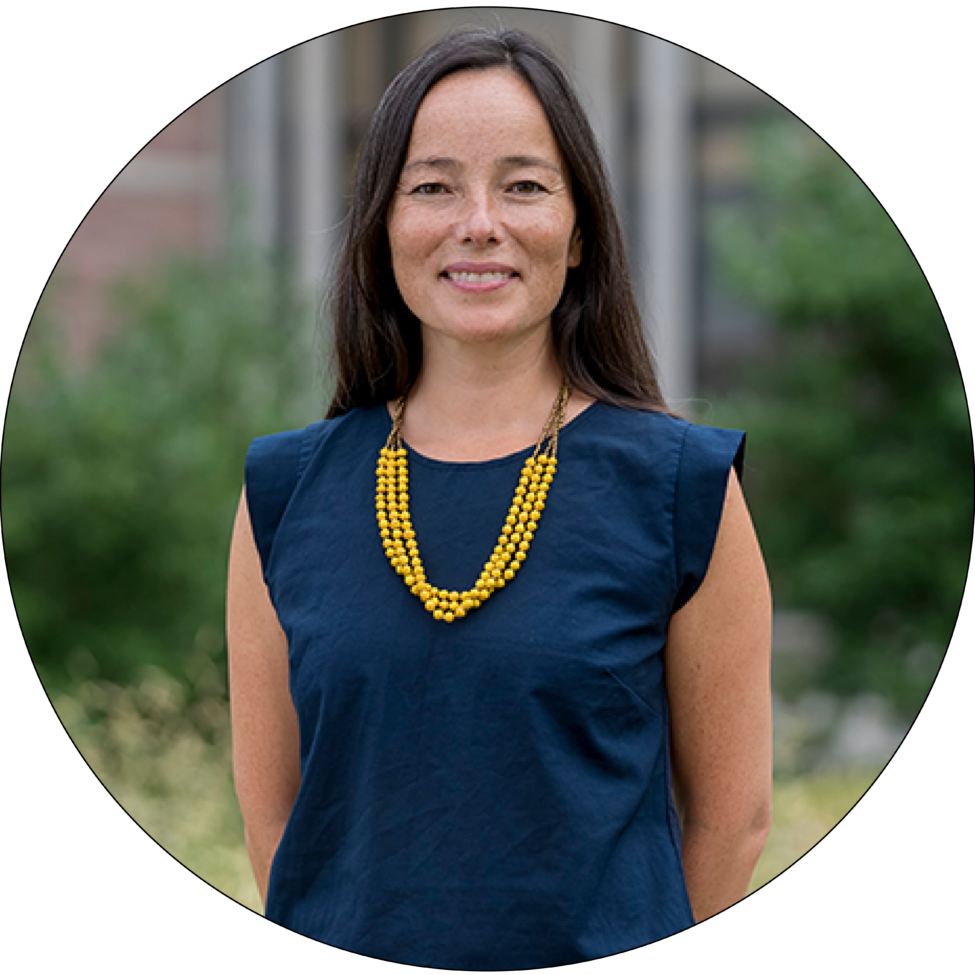
Room 511 - Plenary Session: Reproductive Health and Reproductive Justice: How public health can help forge a new area of international criminal law
Over the past decades, international criminal justice mechanisms have increasingly addressed gender-based violence as war crimes, crimes against humanity, and acts of genocide. Cases have by and large focused on sexual crimes, such as rape and forms of sexualized torture or slavery. In 2023, the International Criminal Court Office of the Prosecutor released its revised Policy on Gender-based Crimes (GBC). The Policy highlighted the need to account for reproductive crimes and see them as related to, yet also distinct from, the sexual. In practical terms, this requires legal practitioners to not only investigate the potentially unique motives, forms, and impacts related to reproductive crimes - but also draw from public health and medical science to fully capture and articulate them. In this keynote, Professor Seelinger will share reflections on how public health and medical research can support the development of this area of international criminal justice. Ultimately, the hope is that justice proceedings will in turn improve the health and well-being of survivors and affected communities.
Kim Thuy Seelinger, Senior Coordinator for Gender-based Crimes
and Crimes Against and Affecting Children,
Office of the Prosecutor, International Criminal Court and Research Associate Professor, Washington University, United States
2:15 pm to 2:45 pm
Commemoration of the 35th anniversary of the shooting of Polytechnique Montréal - Reading by Josée Boileau, author of the book Ce jour-là and discussions
2:45 pm to 4 pm
Presentation of the summary of discussions from the Congress and closing: presentation of the Manifesto on Gender Equality and Women's Empowerment
This content has been updated on 5 December 2024 at 15h41.